Google AdSense has existed for over fifteen years, enabling site owners to generate revenue alongside DoubleClick for Publishers. The persistent challenge has always been determining optimal ad placement while preserving user experience and readability.
Publishers previously faced difficult decisions about creating multiple ad slots and balancing them against Revenue Per Thousand Impressions (RPM). AdSense offered testing capabilities, but testing takes time and expertise most publishers don’t have.
What Has Changed
Machine learning now enables programs to discover new rules and learn from experience without additional programming. Rather than requiring publishers to manually test ad formats and placements, automated learning handles the optimisation. Content creators can focus on writing while the platform independently determines monetisation strategy.
Caveat Emptor
Machine learning demands substantial data for accuracy. Smaller sites face longer optimisation timelines before the system has enough signal to perform well. This is not a magic button — it is a tool that improves over time as data accumulates.
Setting Up Auto Ads
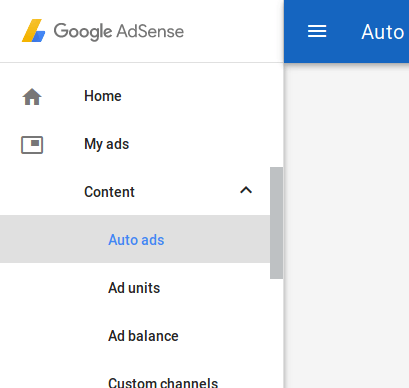
Access Auto Ads via the AdSense console’s Ads section, follow the setup wizard, embed the code, and select desired ad formats. The system then begins operating independently.
Measuring Success
Monitor increasing RPM and click-through rates over several weeks to evaluate whether the automated approach is outperforming your previous manual setup.