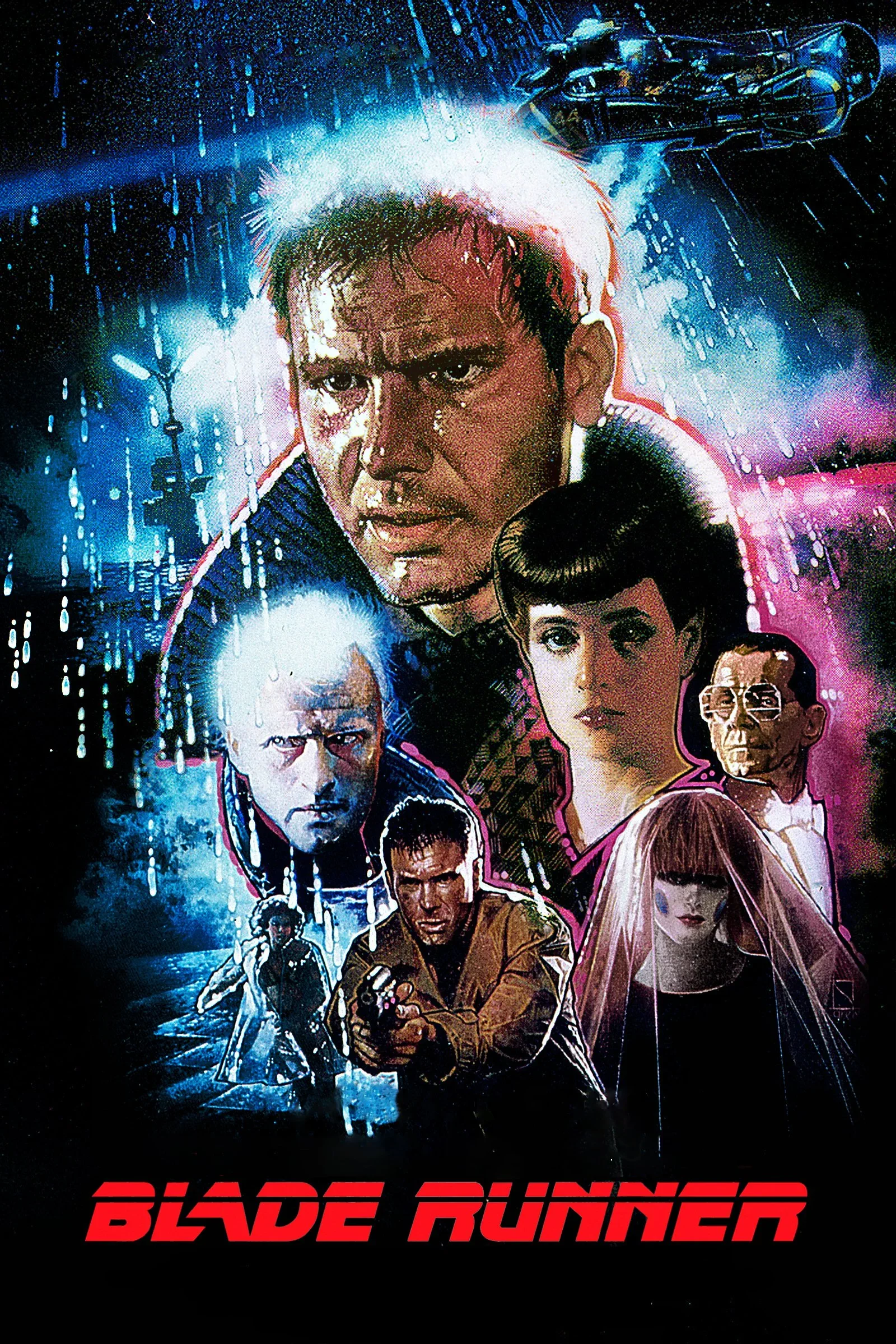
I first encountered the word “android” as a child, watching Blade Runner. The title of this post is the Philip K. Dick novel that served as the film’s source material. Both the book and its adaptations have aged remarkably well.
Blade Runner Then
The original Blade Runner depicts a future where androids perform labour but develop sentience and free will. The narrative follows a Blade Runner — an android hunter — who begins to empathise with his targets. The film’s technical achievements and cast were remarkable: Harrison Ford, Sean Young, Rutger Hauer. The casting and the characters were spot on.
Blade Runner 2049
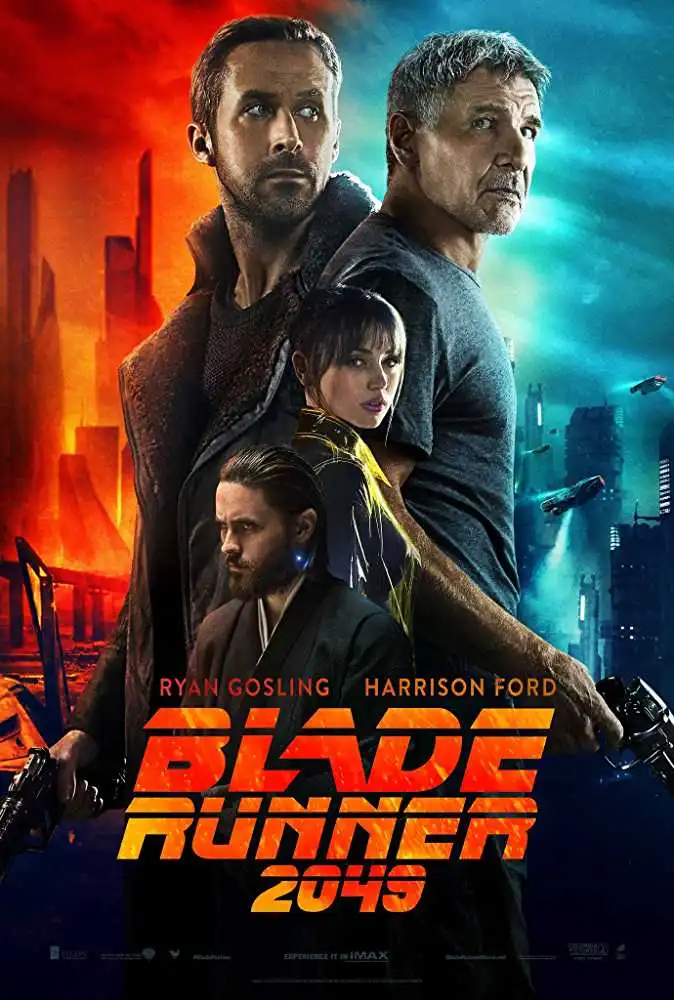
Blade Runner 2049 continues the story, with Ford reprising his role as a retired, aged protagonist. It marks the third of his iconic characters to receive a kind of closure — after Indiana Jones and Han Solo. The sequel honours both the original film and Ford while telling a distinct narrative that makes you think. It is genuinely haunting in places.
The Question at the Centre
All stories in this franchise explore one question: what is life, and is a sentient being really alive? As AI becomes more capable, this question shifts from science fiction to something uncomfortably practical. Dick was asking it in 1968. We are still working out the answer.