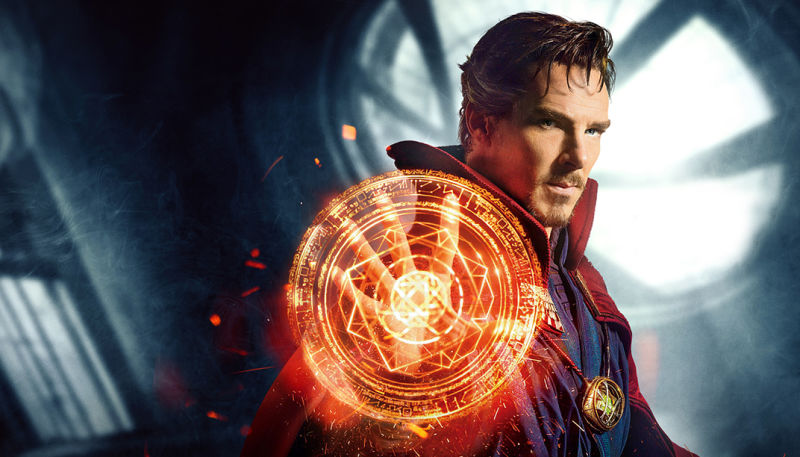
Dr. Strange is one of Marvel’s top-grossing single-hero films. Benedict Cumberbatch excels at playing roles with strong character — Dr. Strange both before and after his transformation gives him full range. This post is not a movie review. It is about the mental models the film deploys.
The Victim as Mental Model
In the first half of the film, the hugely successful neurosurgeon undergoes an accident that renders his hands useless. He sees himself as a victim of his circumstances and begins pushing away friends and romantic interests. This is when he encounters the Ancient One.
That victim construct is the first disabling mental model the film identifies. But the more striking example comes in the finale.
The Victimisation of Dormammu
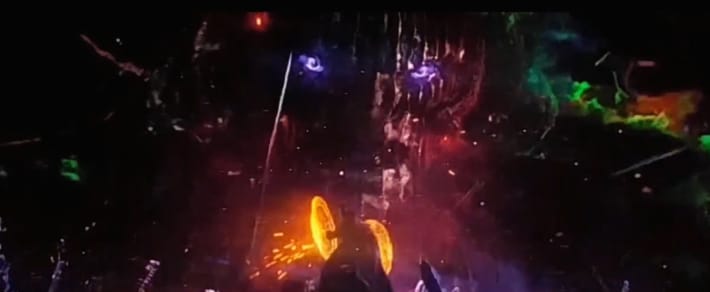
Dormammu is a god-level entity — a being who can consume galaxies and destroy the known universe. Pause and digest that. This is a genuinely terrifying villain.
Dr. Strange traps Dormammu in a time loop. Despite all his cosmic power, Dormammu is suddenly helpless. He kills Strange in a hundred different ways. The loop resets. He cannot escape. He is a victim.
The all-powerful being who can destroy universes — reduced to impotence not by force, but by accepting the victim state. It’s a disabling construct, since once an individual — even as powerful as Dormammu — accepts that he is a victim, the individual surrenders and ceases engaging constructively.
What Could Dormammu Have Done?
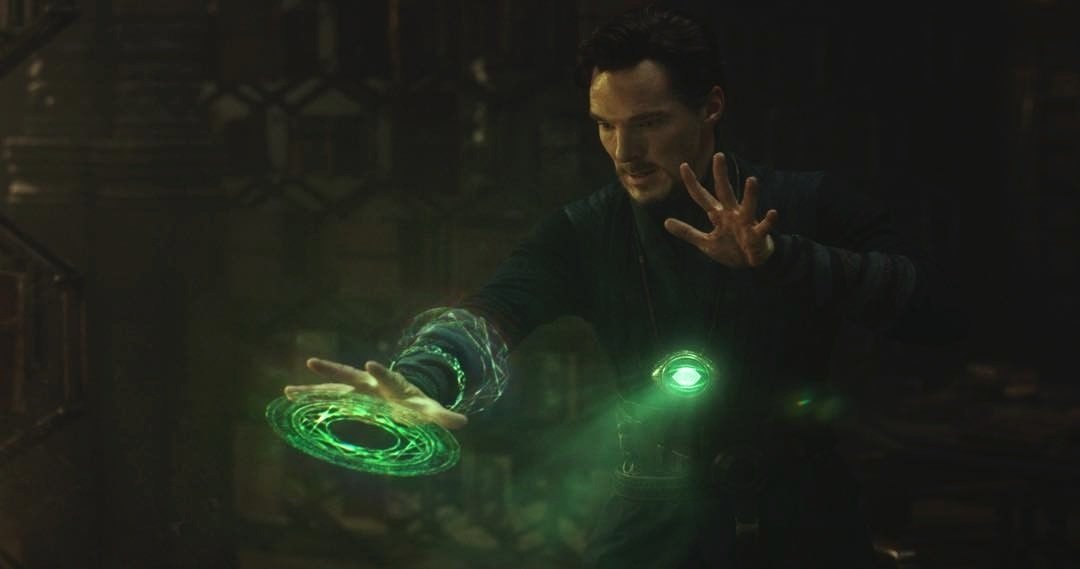
He has an eternity to figure out the Eye of Agamotto. He could have spent that time studying it, reverse-engineering it. That is what Dr. Strange eventually does to negotiate his release.
The solution was in his own hands the entire time. Victimhood prevented him from seeing it. There are several such disabling constructs — victimhood being one of the most common. Destiny is another. Both deserve their own post.